Tel Aviv

Israel's commercial capital and Mediterranean front door — a global tech hub, a beachfront skyline of glass towers and Bauhaus, and the country's most liquid property market.

ISA
Trusted since 2008
30,000+ clients

Where the Mediterranean Meets the Market

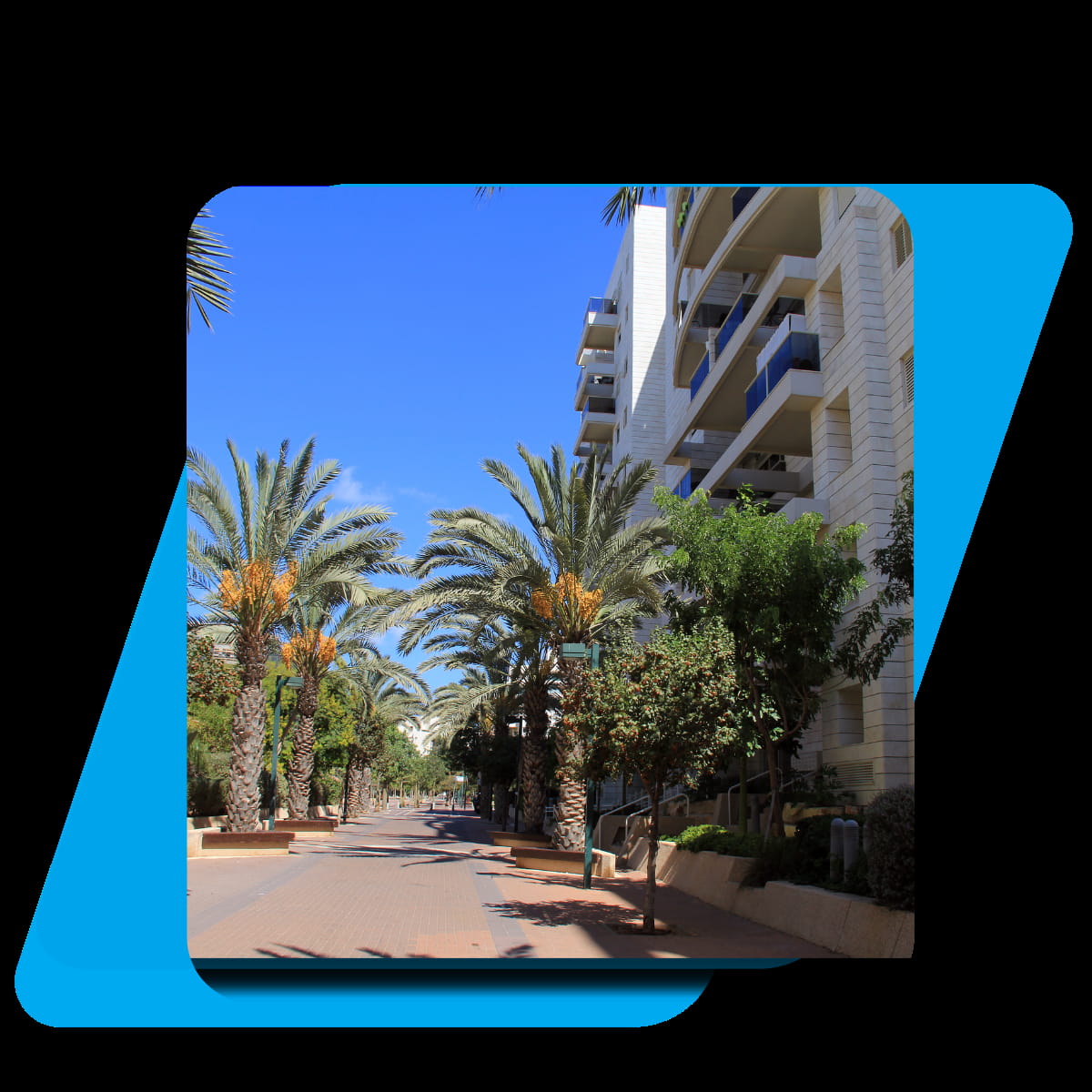
Tel Aviv's housing market is unlike anywhere else in Israel — restored Bauhaus apartments in the White City, glass towers along Rothschild and the seafront, family neighbourhoods in the north, and creative quarters in the south. Each draws a very different kind of buyer.

Overview

Israel's commercial capital — and its most liquid property market

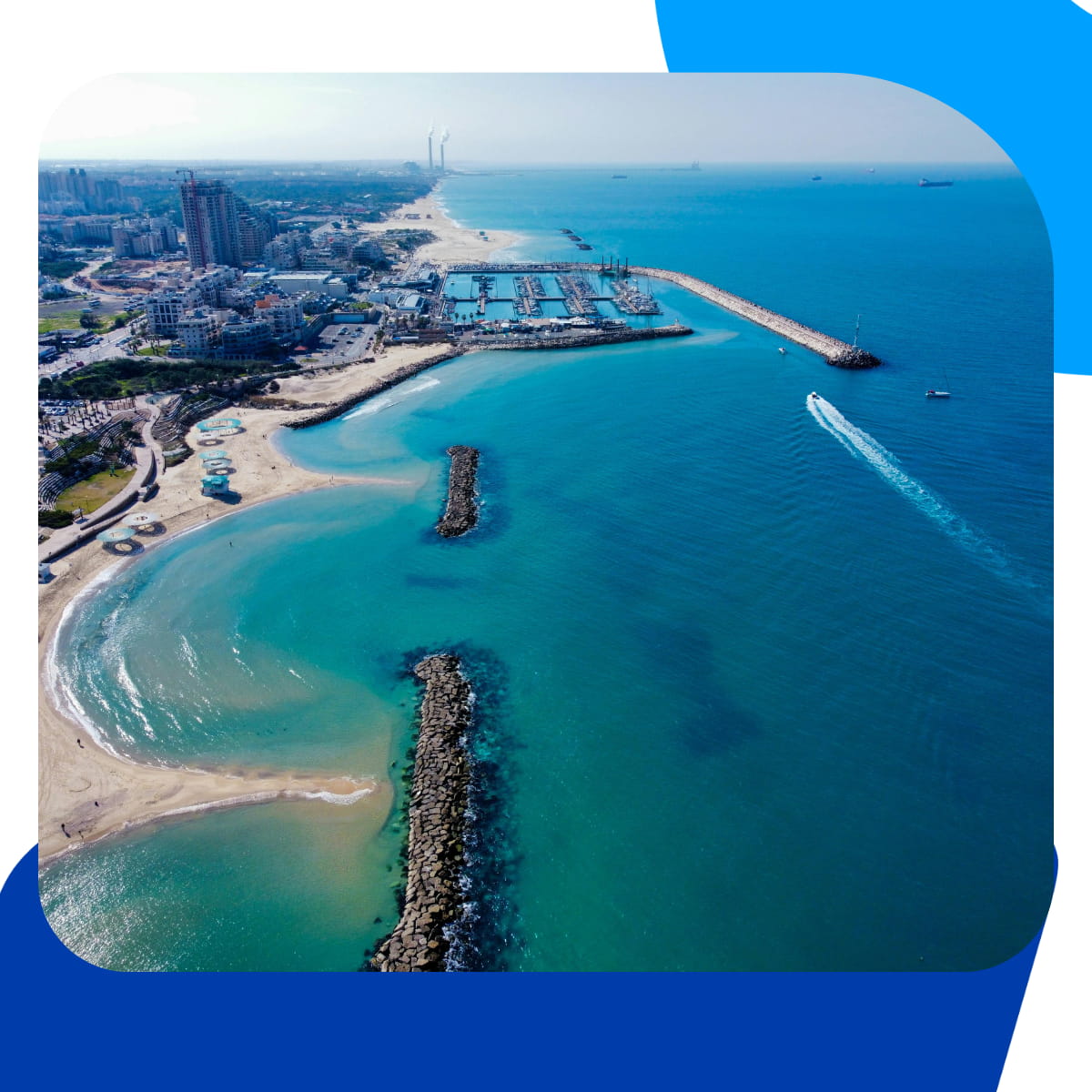
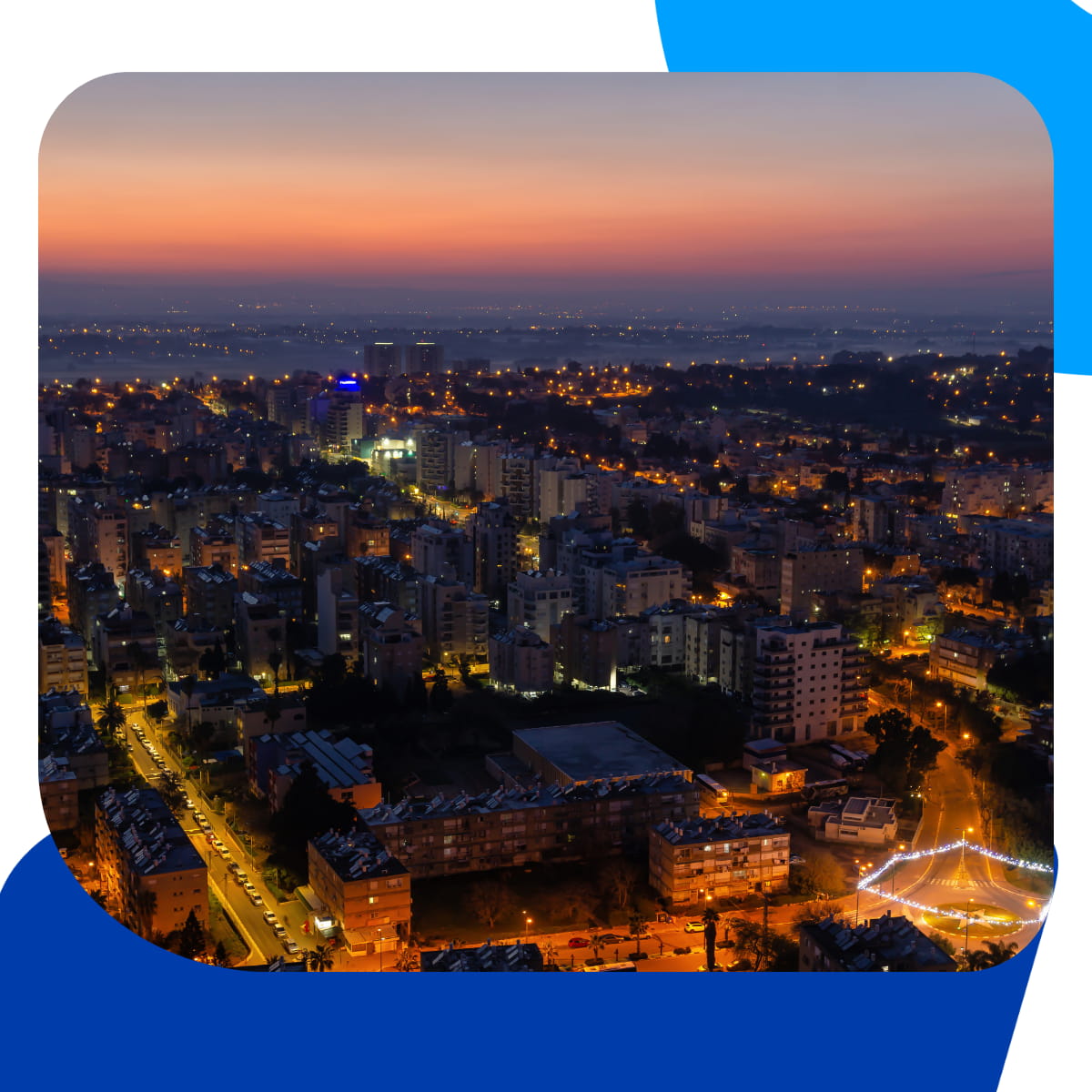
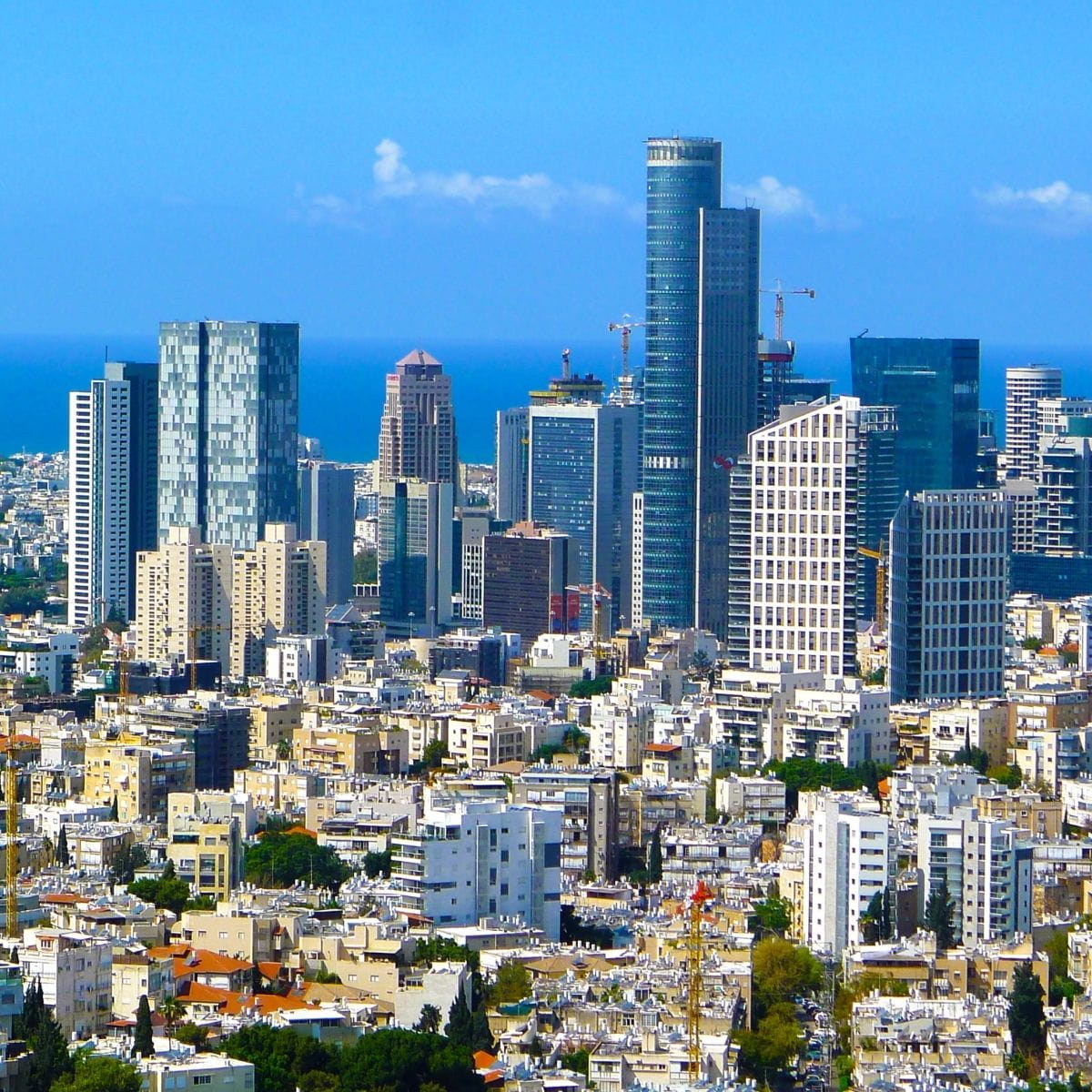
Tel Aviv is Israel's commercial and cultural capital and, with roughly 460,000 residents in the city itself ⚠️ (and around 4 million ⚠️ in the wider Gush Dan metropolitan area), the engine of the country's economy. For overseas buyers, it offers a different proposition to Jerusalem: a secular, cosmopolitan city built around the Mediterranean, with a property market shaped by global capital, a strong tech sector, and supply-constrained beachfront geography.

The Anglo community here is smaller and more spread out than Jerusalem's — concentrated in north Tel Aviv around Ramat Aviv, in pockets of Neve Tzedek and the German Colony of Sarona, and increasingly in the towers along Rothschild and the seafront. Tel Aviv tends to attract a particular kind of overseas buyer: less Aliyah-driven than Jerusalem, more often investors, pied-à-terre owners, or families splitting their year between Israel and abroad.

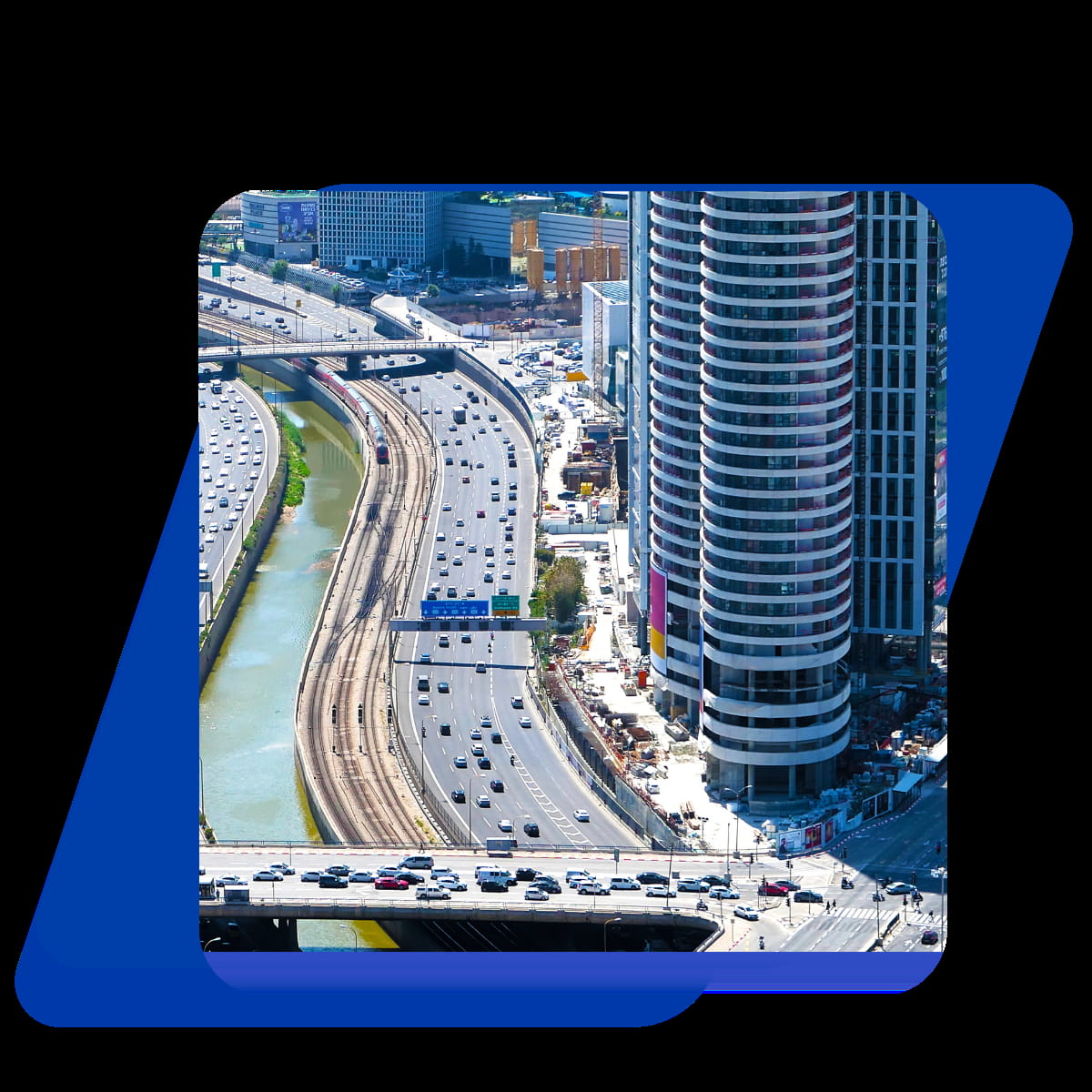
The economy backs the property market. Tel Aviv anchors "Silicon Wadi," home to thousands of startups and the Israeli HQs of Google, Meta, Apple, Microsoft, Intel and the rest of the global tech sector — concentrated in the central business district and the Sarona, Ramat HaHayal and Yigal Alon corridors. The Red Line of the Tel Aviv Light Rail opened in August 2023 ⚠️, running Petah Tikva → Bat Yam through central Tel Aviv, with further lines under construction.

At a glance

What to know about Tel Aviv

Population, market and lifestyle. Numeric figures are working estimates flagged for editorial verification.

CategoryDetails
Population (city / metro)~460,000 city / ~4M metro ⚠️ to verify
4-room apartment (typical)₪3.5M – ₪7.0M ⚠️ to verify
Time to Jerusalem (train)~32 minutes to verify
LifestyleMediterranean, secular, beach-led; tech-heavy economy; Israel's highest cost of living to verify
Average property prices to verifyTODO_telaviv_priceRange_type_1: TODO_telaviv_priceRange_range_1
TODO_telaviv_priceRange_type_2: TODO_telaviv_priceRange_range_2
TODO_telaviv_priceRange_type_3: TODO_telaviv_priceRange_range_3
TODO_telaviv_priceRange_type_4: TODO_telaviv_priceRange_range_4
Neighbourhoods

Buying in Tel Aviv: Choosing the Right Neighbourhood for the Right Reason

Tel Aviv rewards buyers who know what they're buying for — lifestyle, yield, family base, or pied-à-terre. The right neighbourhood depends on which of those you are.

Neve Tzedek: Historic Charm Meets Modern Living

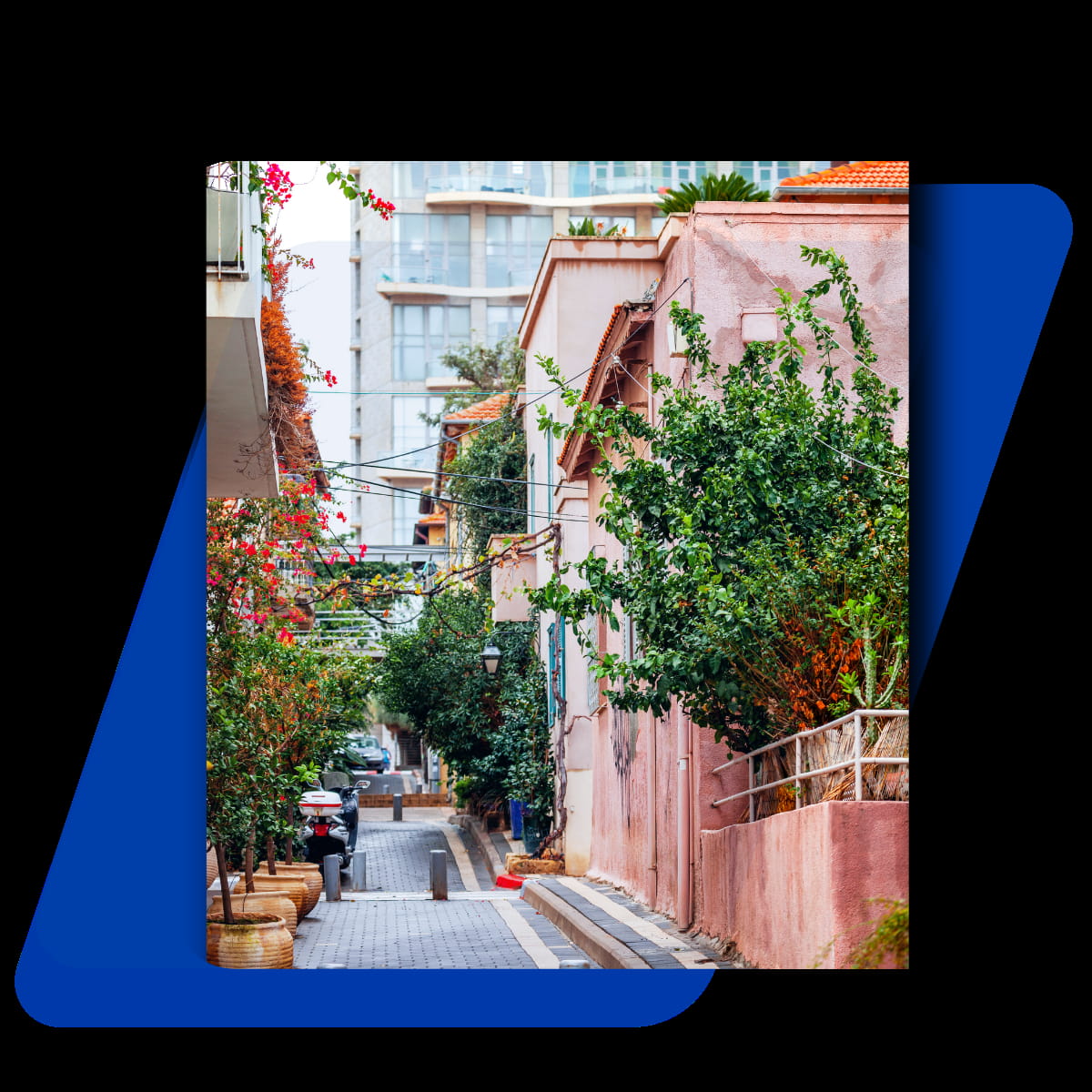
Nestled just south of the city centre, Neve Tzedek is one of Tel Aviv's oldest neighbourhoods, known for its charming streets and historical significance. Established in the late 19th century, the area features beautifully restored Bauhaus architecture alongside more contemporary designs. Neve Tzedek is renowned for its artistic vibe, boutique shops, and cultural landmarks, including the Suzanne Dellal Centre for Dance and Theatre. Residents enjoy a blend of historic charm and modern conveniences, with cobblestone streets lined with cafés, galleries, and designer boutiques.

Investment Potential: With its historical significance and aesthetic appeal, Neve Tzedek is a prime location for investors looking for high-value properties. Real estate here tends to be on the pricier side due to its desirable location and unique character.
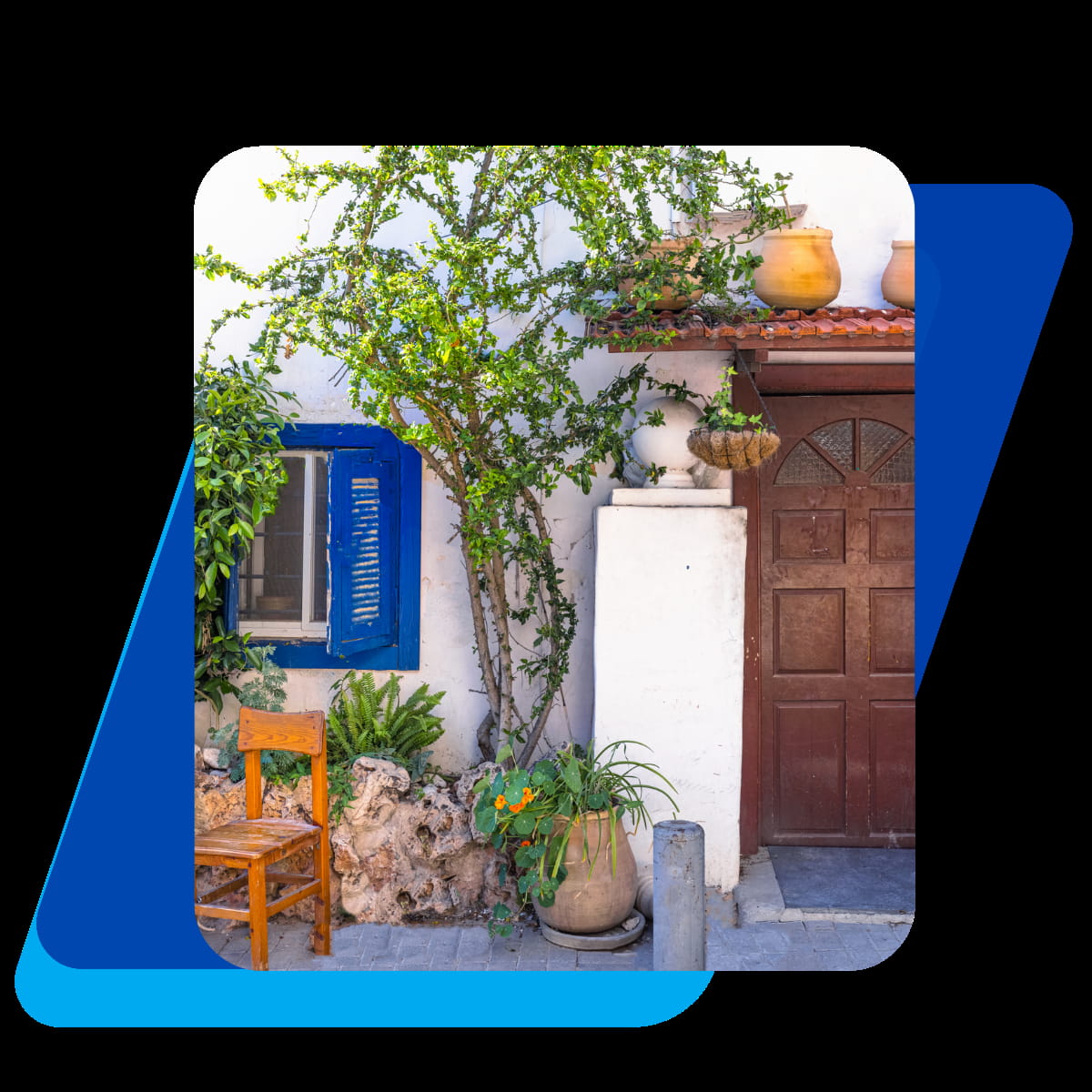
Florentin: The Trendy Artistic Hub

Florentin was once considered an industrial area south of Neve Tzedek, but has more recently become a hub for trendsetters and artists in one of Tel Aviv's hippest parts of town. With its mixture of cafés, art galleries and vintage shops, it has become popular with young professionals, artists and entrepreneurs. Its chilled vibe and creative energy attract those looking for something lively, with weekly markets, occasional live music events, and art festivals keeping things going.

Investment Potential: Florentin has experienced significant gentrification over recent years. While property prices are rising, they remain relatively affordable compared to more central areas — making Florentin a promising area for investors looking to capitalise on future growth.

Shapira: Community Feel with Variety

Shapira is a multicultural neighbourhood just south of the centre with a strong sense of community. More residential than the city centre, it's a great place for families and anyone looking for a more low-key lifestyle while staying close to the city. The area has local markets, community centres, and parks nearby.

Investment Potential: Shapira is seen as an up-and-coming neighbourhood with strong investment potential. It's an attractive proposition for investors seeking value and future growth, with property prices already cheaper than more central districts.

Ramat Aviv: Upscale Living with a Suburban Touch

To the north of Tel Aviv lies Ramat Aviv, an affluent neighbourhood known for its spacious properties, well-maintained parks, and family-friendly environment. It's home to Tel Aviv University and several upscale shopping centres, adding to its appeal. Ramat Aviv offers a more suburban feel compared to central and southern Tel Aviv — ideal for families seeking a quieter lifestyle while still within easy reach of the city's amenities. The neighbourhood is characterised by its high-end residential buildings and well-regarded schools.

Investment Potential: Properties in Ramat Aviv are generally more expensive, reflecting the neighbourhood's high status and desirable amenities. For investors, Ramat Aviv represents a stable and potentially lucrative market with steady demand thanks to its prestigious reputation and family-friendly atmosphere.

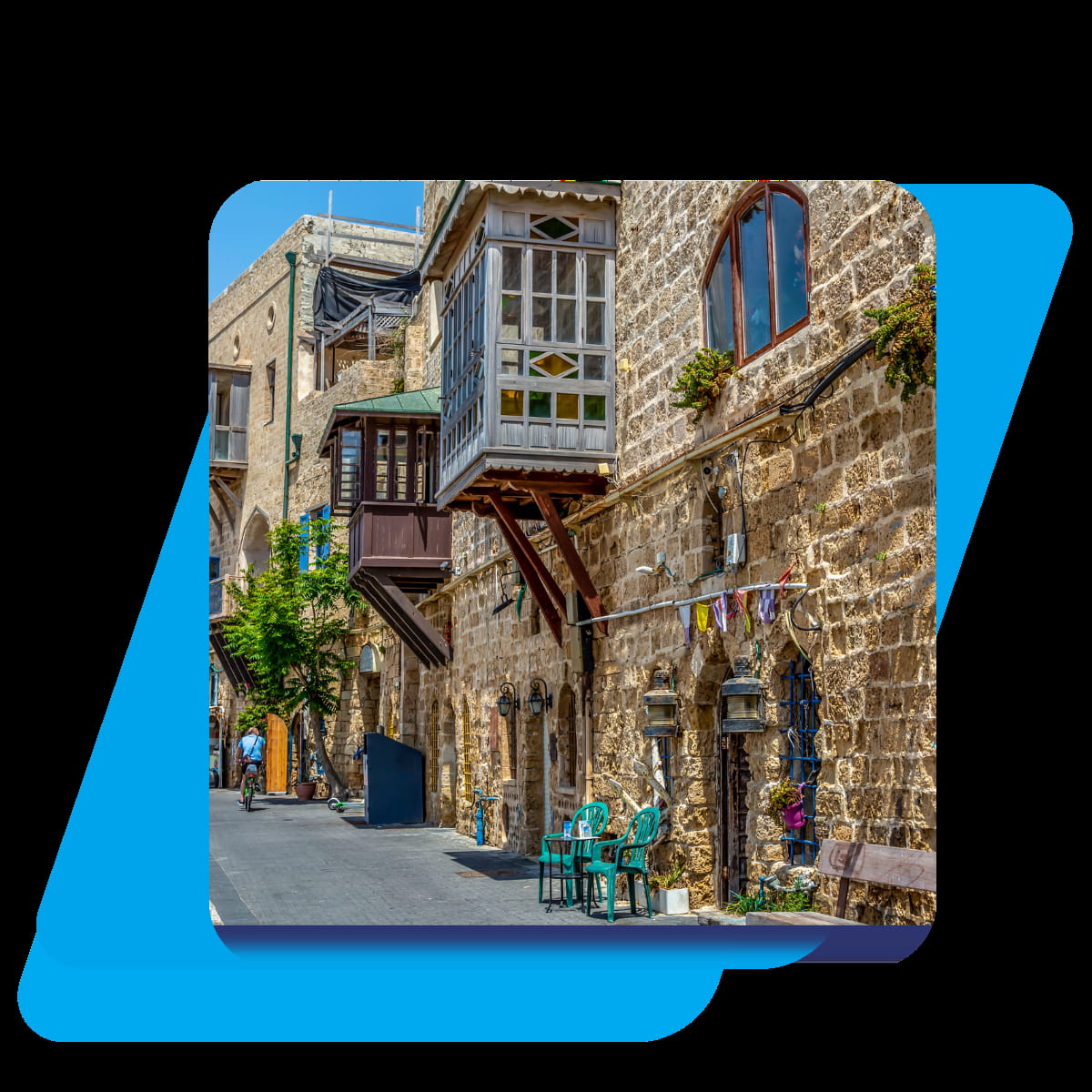
Jaffa: Bohemian Style of an Old Port

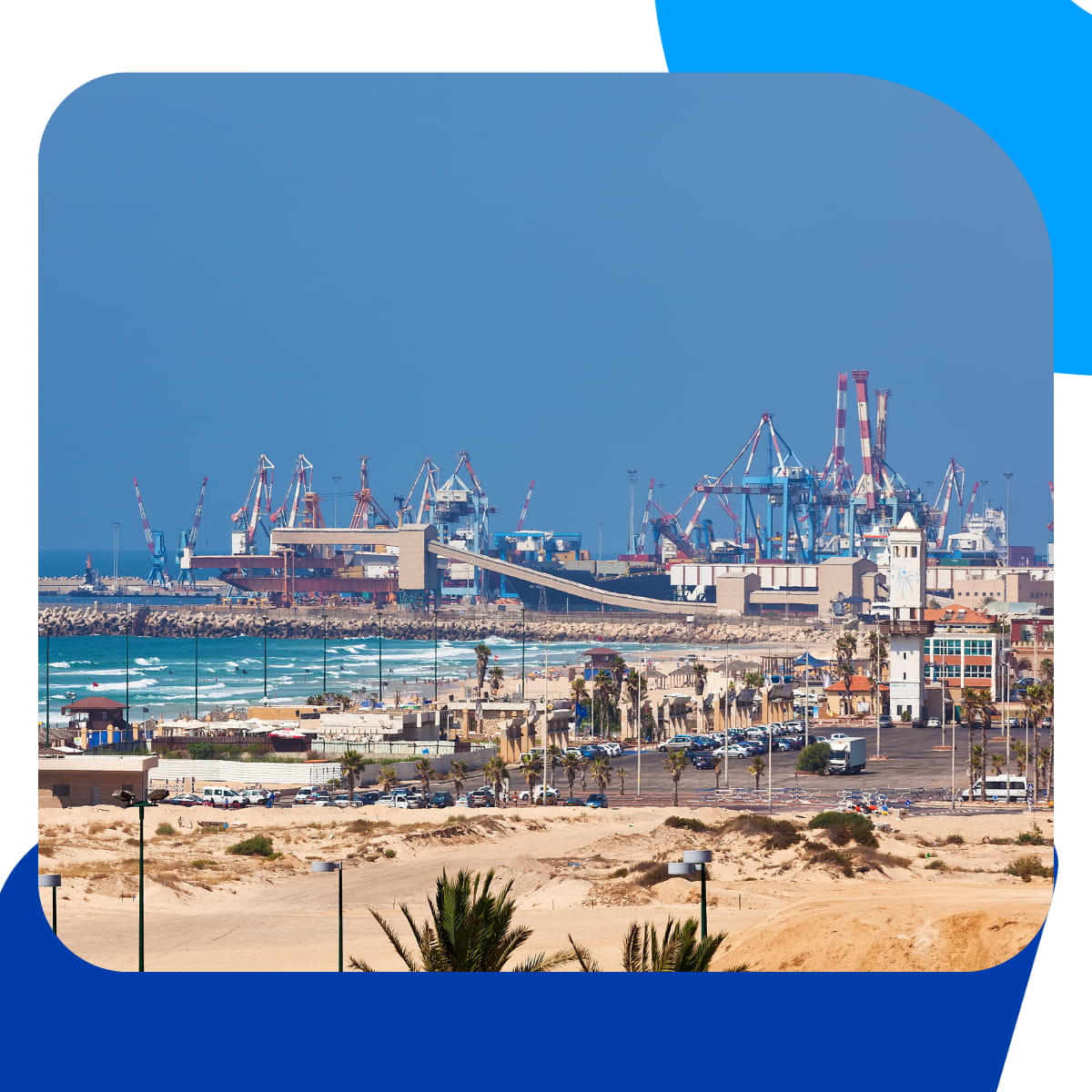
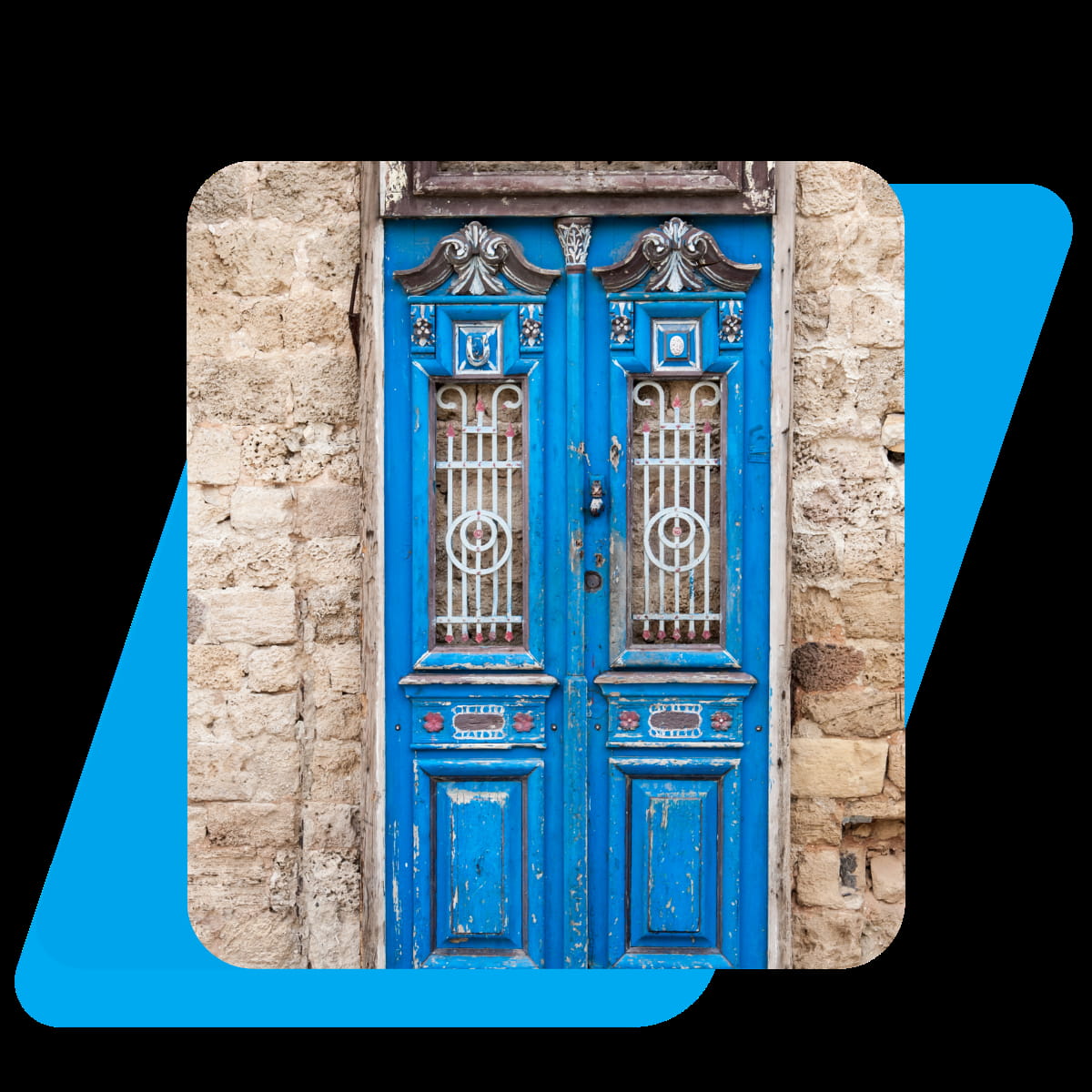
One of the older parts of Tel Aviv is the port city of Jaffa, or Yafo in Hebrew. The city is famous for its architectural heritage and regularly attracts locals and tourists to its historical sites and famous market. Jaffa has undergone significant gentrification, mixing heritage with modern-day facilities — a sought-after neighbourhood if you're looking for character and charm.

Investment Potential: The property market in Jaffa is eclectic, ranging from historic buildings to contemporary construction. Property prices tend to be more affordable than in central Tel Aviv, and with the area's rising popularity and multiple development projects, investors could consider Jaffa a shrewd opportunity.

City Center: The Beating Heart of Tel Aviv

The City Center, or "Lev Ha'ir," is the bustling core of Tel Aviv and serves as the city's commercial and cultural hub. It includes areas such as Rothschild Boulevard and Allenby Street, known for their high-rise buildings, luxury apartments, and vibrant nightlife. Living here means being at the epicentre of Tel Aviv's action, with a wealth of dining options, shopping centres, and cultural venues. The area can, however, be noisy and crowded — which won't suit everyone.

Investment Potential: The City Center is a prime location for high-value real estate. Properties here are often at a premium, but they also offer strong rental yields and significant long-term appreciation potential. Ideal for investors looking for a central location with robust demand.

Property & investment

Why buyers from abroad pick Tel Aviv

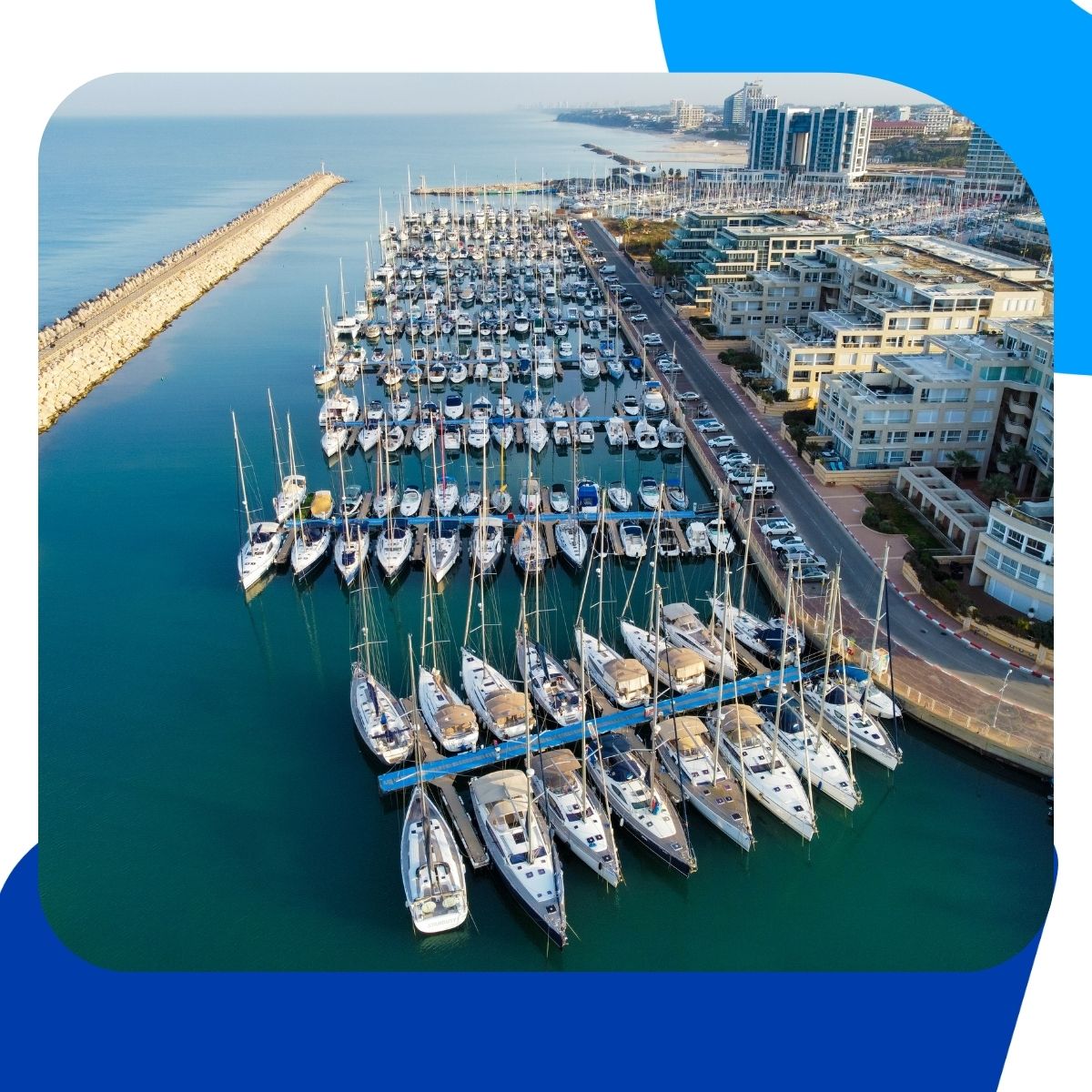
Tel Aviv's property market is the most expensive and the most liquid in Israel — and like Jerusalem, it's really two markets stacked into one. The prime centre — the seafront strip, Rothschild Boulevard and the surrounding White City, Neve Tzedek, and the new tower clusters along Sarona — trades at ₪50,000–₪80,000 per square metre ⚠️, with the most sought-after seafront and Rothschild towers regularly clearing ₪100,000+ per m² ⚠️.

The outer markets — Ramat Aviv to the north, Florentin and Shapira to the south, and the Yad Eliyahu / Bitzaron corridor to the east — typically run ₪30,000–₪45,000 per m² ⚠️, with a typical 4-room apartment in the ₪3.5M–₪5.5M range ⚠️. Rental yields are noticeably better here than in the prime centre.

Both markets share the same structural backdrop. Tel Aviv is geographically constrained — bounded by sea, the Yarkon to the north, and built-out municipalities on every other side — which keeps supply tight even as demand keeps arriving. Non-resident mortgage LTV is capped at 50% by Bank of Israel rules, so most overseas purchases involve down-payments and tranches of 55–60% of the purchase price, transferred to an Israeli lawyer's no'eman account.

How we help

Moving money for life in Tel Aviv

Three things buyers and olim transferring into this city use us for most.

Tower off-plan: staged shekel payments over 2–4 years

Tel Aviv's new tower supply — Sarona, the seafront, Rothschild — sells almost entirely off-plan, with 70–85% of the price spread across construction milestones that can run 30–48 months. Lock today's USD/ILS, GBP/ILS or EUR/ILS rate now with a forward contract, and your shekel cost is fixed for the duration of the build.

Seafront and Rothschild purchases — moving the larger numbers

Tel Aviv's premium centre regularly trades at ₪10M–₪25M ⚠️, where even a 50 basis-point improvement on the exchange rate is meaningful money. We send your down-payment direct to your lawyer's no'eman (trust) account in shekels — same-day if funds arrive before 14:00 Israel time — at a rate that's typically 1–2% tighter than your home bank.

Pied-à-terre owners — recurring transfers, made simple

If you own a Tel Aviv apartment but live abroad, you're transferring on repeat: arnona, va'ad bayit, utilities, your Israeli accountant's fees, the occasional renovation. Set up a standing arrangement with IsraTransfer so each transfer lands cleanly in your Israeli account — minimum $10,000 per wire.

Did you know?

Three things you might not know about Tel Aviv

  • Tel Aviv is home to one of the world's largest high-tech and startup hubs, often called "Silicon Wadi," with one of the highest ratios of startups per capita anywhere on the planet.
  • Tel Aviv has the world's largest concentration of Bauhaus architecture — over 4,000 buildings — earning the "White City" UNESCO World Heritage status in 2003.
  • The city's name translates as "Hill of Spring," chosen in 1910 from the title of Theodor Herzl's utopian novel Altneuland.
Questions

Common questions about Tel Aviv

Tel Aviv is materially more expensive than Jerusalem across the board, and the gap widens at the top of the market. A standard 4-room apartment in prime central Tel Aviv typically runs ₪5M–₪9M ⚠️, against ₪3.8M–₪6.5M for the equivalent in central Jerusalem. The same apartment in Ramat Aviv or south Tel Aviv runs ₪3.5M–₪5.5M ⚠️. New-build towers along the seafront and Rothschild regularly clear ₪10M+ ⚠️. These ranges are illustrative — we'll update them with verified market data.
Smaller and more dispersed than Jerusalem's, but real. The largest concentrations are in Ramat Aviv (families, schools, university) and in pockets of north Tel Aviv and Neve Tzedek. Newer arrivals — particularly tech-sector olim and pied-à-terre buyers — often gravitate to towers along Rothschild, the seafront, and the Sarona district. Nefesh B'Nefesh maintains a Tel Aviv presence alongside their Jerusalem hub.
Most Tel Aviv off-plan towers ask for 15–25% on signing, then construction-milestone tranches of 10–20% each over 30–48 months, with the balance on handover. For non-resident buyers, the Bank of Israel caps mortgage LTV at 50%, so realistic total cash requirement is 55–60% of the purchase price by the time you take keys — on a ₪6M apartment, roughly ₪3.3M–₪3.6M, spread across the build period.
About 32 minutes from Tel Aviv Savidor / HaShalom to Yitzhak Navon (central Jerusalem), with trains roughly every 30 minutes during the day. The fast rail link, fully operational since 2019 ⚠️, has materially changed who commutes from where.

Ready to move money for Tel Aviv?

Open an account in 10 minutes — minimum transfer $10,000. ISA-licensed since 2008.