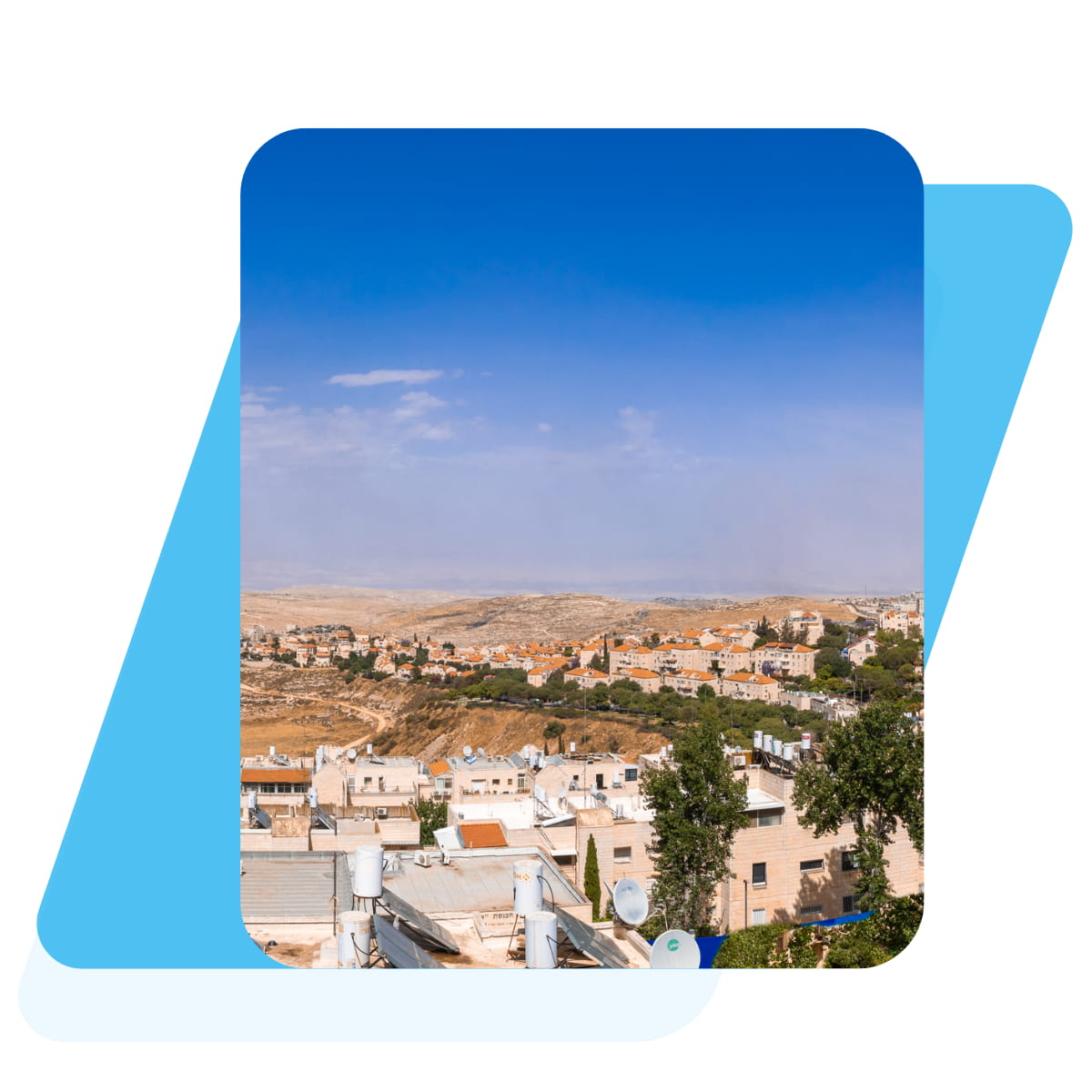
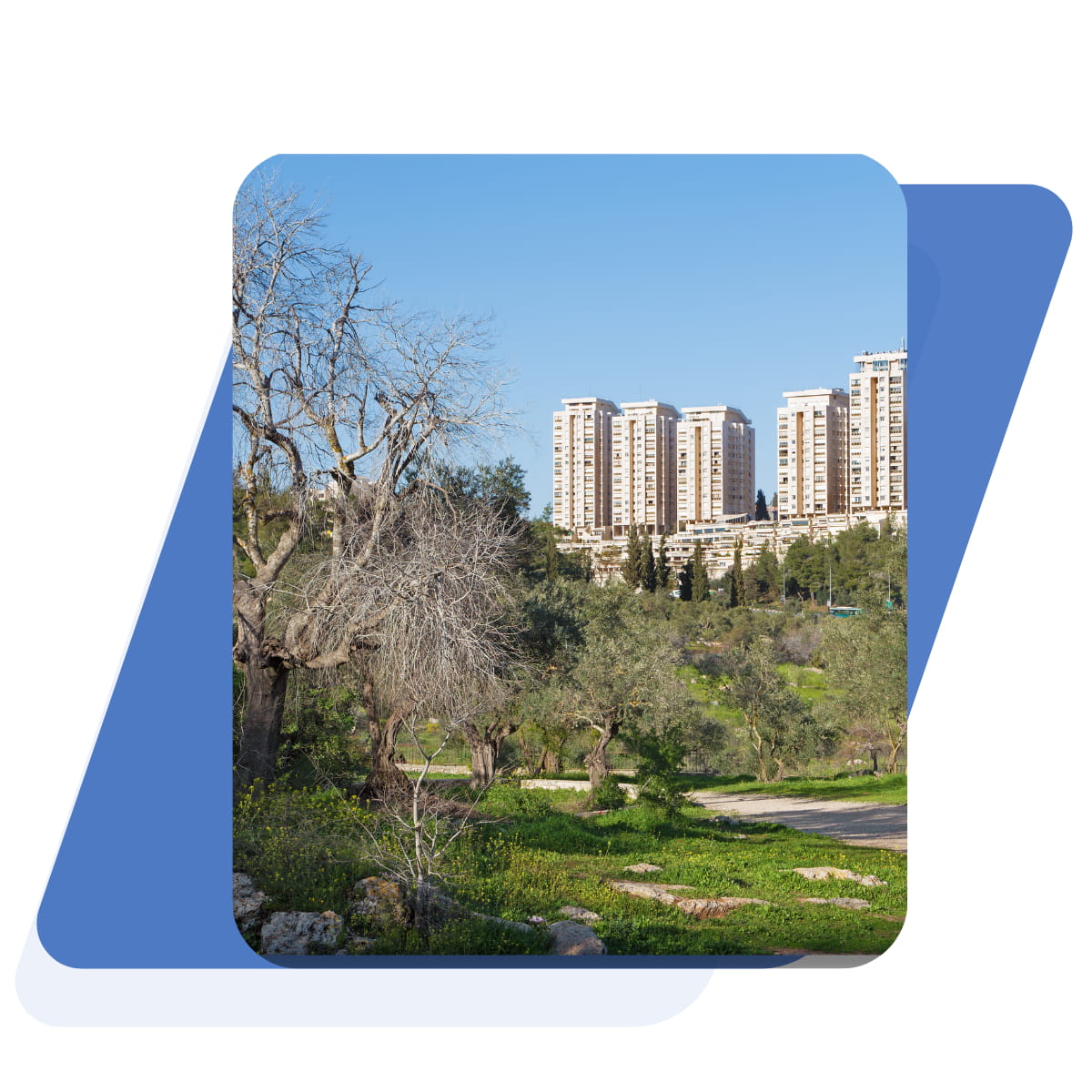
Jerusalem

Israel's eternal capital — three thousand years of history, a stone-built skyline, and the country's largest Anglo and dati community.

ISA
Trusted since 2008
30,000+ clients

Where History Meets Modern Living

The historic city of Jerusalem, with its diverse mix of history and culture, offers a vast range of housing options — from ancient neighbourhoods that echo with thousands of years of history to modern districts bustling with contemporary life.

Overview

The capital that mixes ancient and start-up Israel

Jerusalem is the political and spiritual heart of Israel and, with around 970,000 residents, its largest city by population. For overseas buyers and olim, it offers something no other Israeli city does: a deep, established English-speaking community concentrated in neighbourhoods like Rehavia, Talbiya, the German Colony, Baka, Nachlaot and parts of Katamon — places where you can walk to synagogue on Shabbat, send your kids to an English-Hebrew school, and find a lawyer or accountant who used to live three blocks from where you grew up.

The city's economy is broader than its reputation suggests. Beyond government, tourism, and education (Hebrew University, Bezalel, Hadassah), the Har Hotzvim industrial park houses Intel, Mobileye spin-outs, and a growing biotech cluster. A new fast rail link puts central Tel Aviv 32 minutes away, which has materially changed who commutes from where.

At a glance

What to know about Jerusalem

Population, market and lifestyle. Numeric figures are working estimates flagged for editorial verification.

CategoryDetails
Population~970,000 to verify
4-room apartment (typical)₪3.2M – ₪5.5M to verify
Time to central Tel Aviv (train)~32 minutes
LifestyleHistoric city with religious significance, diverse cultural heritage, generally lower cost of living than Tel Aviv
Average property prices to verify2-bedroom apartment — purchase: ₪2.5M – ₪3.5M
4-bedroom apartment — purchase: ₪4.5M – ₪6.0M
2-bedroom apartment — rental: ₪4,500 – ₪7,000 / month
4-bedroom apartment — rental: ₪9,000 – ₪12,000 / month
Neighbourhoods

Living Opportunities in Jerusalem: Exploring Neighbourhoods and Investment Potential

For those looking to move to or invest in the rich history of Jerusalem, it is essential to understand the various neighbourhoods and their potential for investment.

Rehavia: The Intersection of Classic Inspiration and Contemporary Life

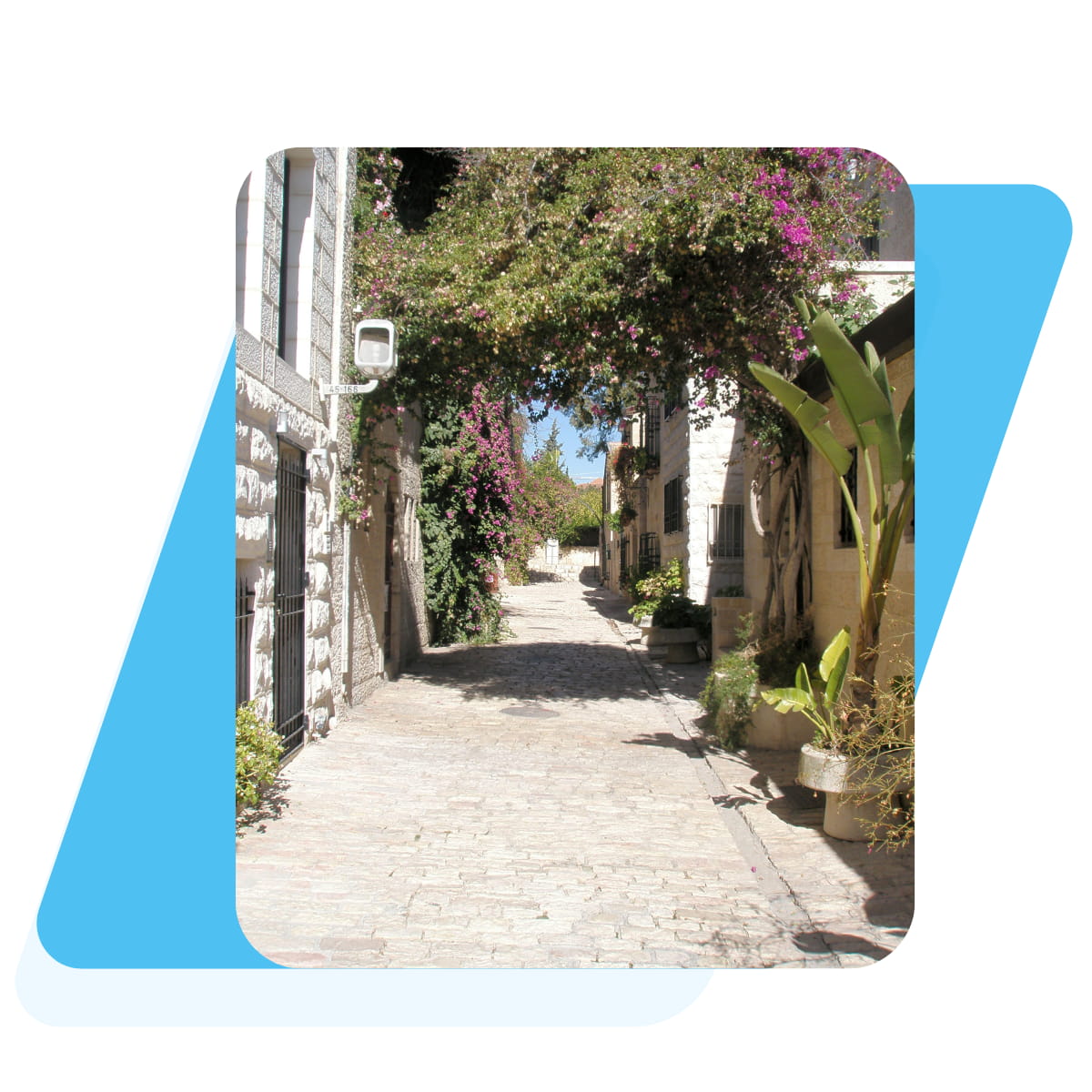
One of the most desirable locations to reside in, Rehavia is known for its picturesque tree-lined walkways and cafés, all within close range of the inner city. Designed in the 1920s with a European approach, the neighbourhood attracted residents from a wide range of fields — academics, professionals, and diplomats. Its charm has not waned, and the area remains in demand with both local and foreign buyers.

Investment Potential: Properties in Rehavia have proven to be valuable investments over time thanks to the area's central, well-connected location. Although prices here are steep, the returns on the luxurious apartments and historically significant primary homes located in the neighbourhood are worth considering.

German Colony: A Blend of History and Culture

Known poetically as 'Moshava HaGermanit', the German Colony was established in the mid-nineteenth century when German Templers arrived in what was then British-controlled territory — a heritage the neighbourhood has retained to this day. Today, the area is known for its distinctive architecture, including red-roofed stone houses and narrow streets, alongside a vibrant selection of cafés, boutiques, and cultural venues.

Investment Potential: The neighbourhood's historical significance and architectural charm make the German Colony an attractive location for real estate investment. Demand for luxurious and renovated homes remains consistently high, and the area's central location supports strong rental income — particularly from short-term lets to tourists.

Katamon: From Tradition to Trendy

Katamon blends the traditional character of old Jerusalem with a younger, more contemporary energy. Originally home to established religious families, the neighbourhood has in recent years attracted young professionals, families, and a growing community of English-speaking olim drawn by its central location and walkability.

Investment Potential: Katamon offers a strong balance of price and demand. Properties here are typically more accessible than in Rehavia or Talbiya, while still benefiting from central Jerusalem location premiums. The mix of old and new makes it appealing to a broad range of buyers and renters.

Talbiya: Prestige and Proximity

Talbiya is one of the most sought-after and exclusive neighbourhoods in Jerusalem, known for its grand villas and easy access to the city's cultural institutions. The area sits close to many of Jerusalem's most notable attractions — the Jerusalem Theatre, the President's Residence, and the Israel Museum — giving it a lively, well-connected character. Talbiya's elegant homes are favoured by diplomats, professionals, and established families, and its central location makes the rest of the city easily reachable.

Investment Potential: Talbiya boasts some of the most expensive property in Jerusalem, and with that comes prestige and lasting property value. For investors seeking high-end properties in a high-demand area positioned for continued price appreciation, Talbiya offers excellent investment opportunities.

Nachlaot: Bohemian Charm and Community

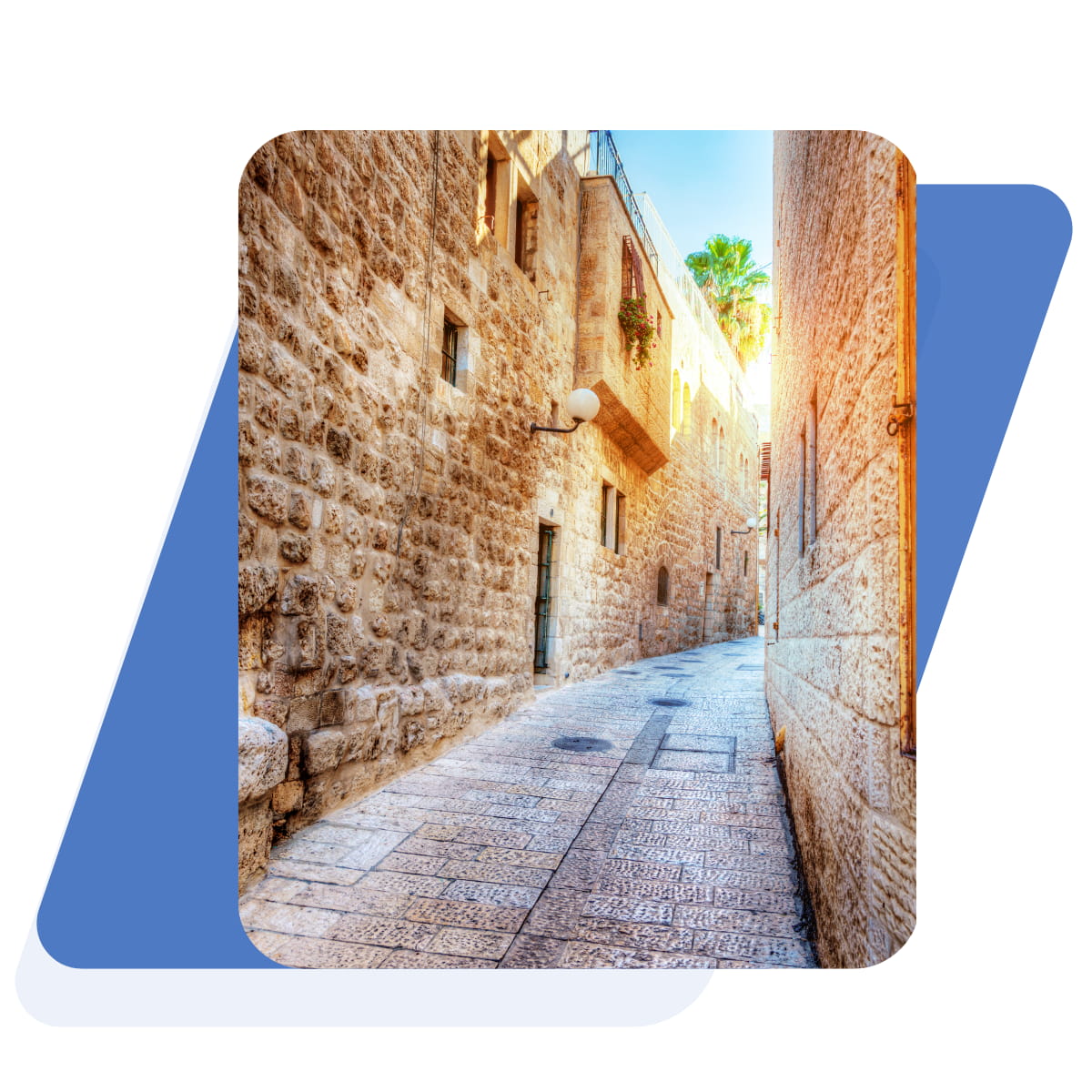
Nachlaot is one of Jerusalem's most characterful neighbourhoods — a warren of narrow lanes, small synagogues, hidden courtyards, and tightly-knit communities. The area has a bohemian, creative feel and attracts artists, musicians, students, and young families who value its sense of community and proximity to the city centre.

Investment Potential: Nachlaot's unique character and central location make it consistently popular with renters, particularly students and young professionals. Smaller properties here can offer attractive rental yields, while renovated homes in the area's quieter pockets hold their value well.

Pisgat Ze'ev: Modern Living on the City's Edge

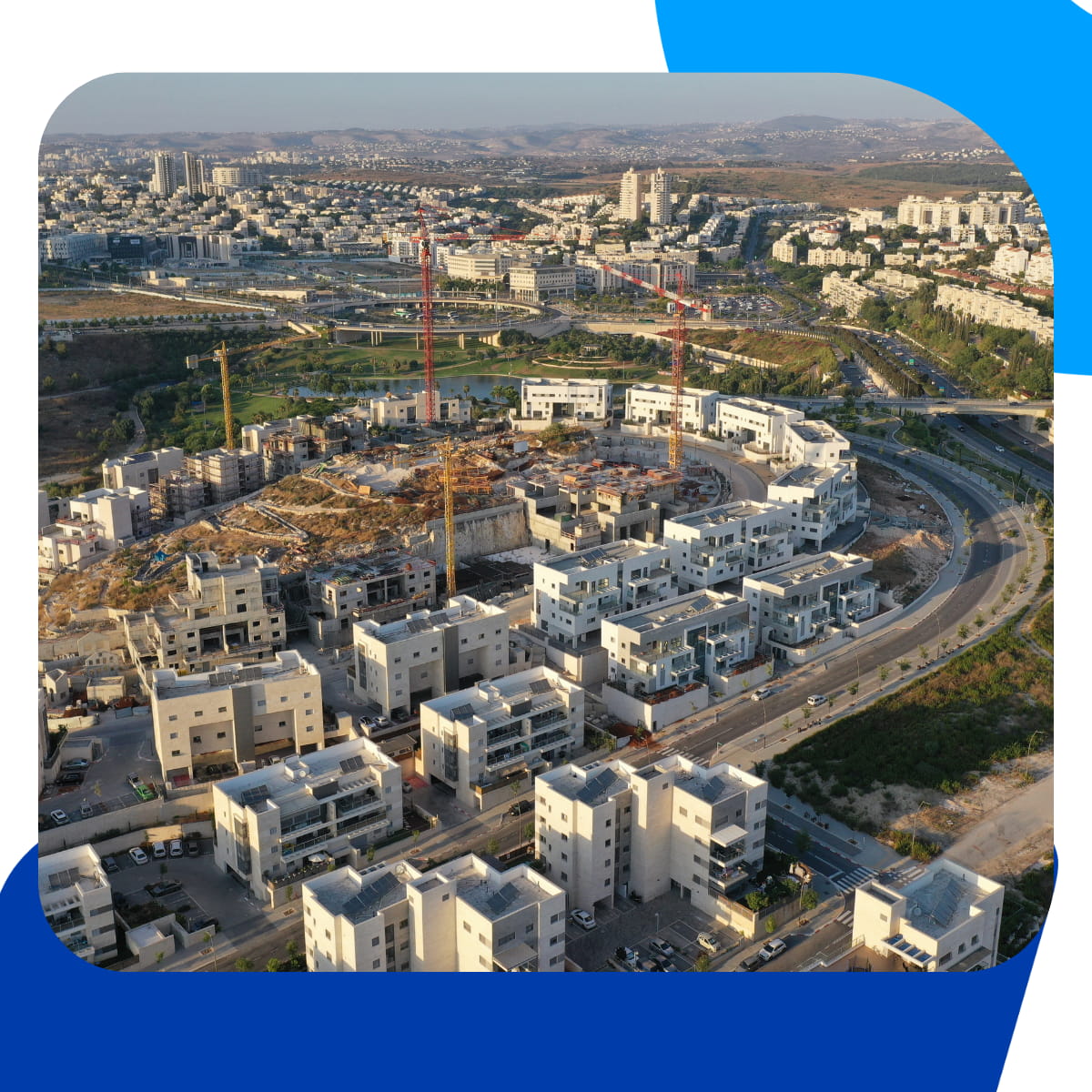
Developed in the 1980s and 1990s, Pisgat Ze'ev is one of the largest and newest neighbourhoods in Jerusalem, offering a more suburban atmosphere with multiple housing types — apartments, townhouses, and family homes with gardens. Its scale and amenities make it especially popular with families.

Investment Potential: Pisgat Ze'ev's reasonable prices and broad range of amenities make it an appealing option for both investors and residents. With continued expansion expected in the coming years, property values are likely to keep rising, offering a solid investment opportunity.

Property & investment

Why buyers from abroad pick Jerusalem

Jerusalem's property market is two markets in one. Inside the centre — Rehavia, Talbiya, the German Colony, Old Katamon, Baka — stone-clad apartments in pre-state buildings trade at Tel Aviv-style prices: ₪25,000–₪40,000 per square metre is normal, and standout boutique blocks can clear ₪50,000+. Buyers here are usually overseas families buying a second home, olim with capital from a US or UK property sale, or investors banking on the supply-constrained nature of the centre (the city's planning code makes new builds rare).

The other Jerusalem — Pisgat Ze'ev, Ramat Eshkol, Givat Shaul, Har Homa — is where Israeli families actually live, and where ₪2M–₪3M still buys a real apartment. Rental yields there are noticeably better than in the centre. Both markets share one structural tailwind: the demographic. Jerusalem's population grew faster than Israel's average for the last decade, and is forecast to keep doing so.

How we help

Moving money for life in Jerusalem

Three things buyers and olim transferring into this city use us for most.

Down-payments to Israeli lawyer escrow

Jerusalem closings overwhelmingly use a no'eman (lawyer trust) account. We send your down-payment direct to your lawyer's escrow in shekels — same-day if the funds arrive before 14:00 Israel time — at a rate that's typically 1–2% tighter than your home bank.

Forward contracts for staged payments

Most Jerusalem off-plan sales pay in tranches over 18–36 months. Lock today's USD/ILS, GBP/ILS or EUR/ILS rate now with a forward contract — useful for buyers whose budget is set in pounds or dollars but priced in shekels.

Aliyah & cost-of-living transfers

If you're making Aliyah to Jerusalem, your first 24 months are heavy on transfers: rent, school fees, your first car, furniture. We sit between your overseas accounts and an Israeli bank so each transfer lands cleanly — minimum $10,000 per wire.

Did you know?

Three things you might not know about Jerusalem

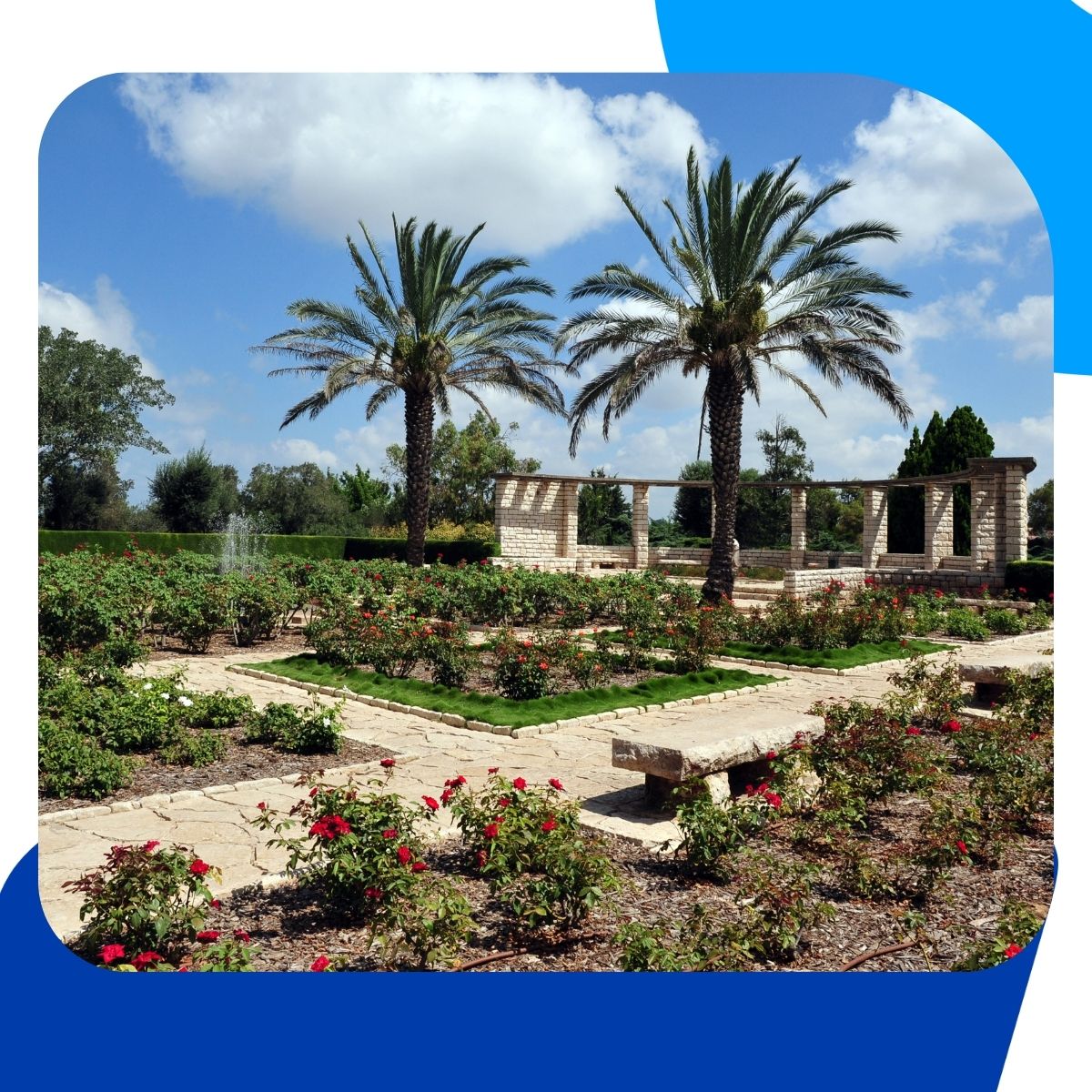
  • Despite its ancient roots, Jerusalem is a city for nature lovers — with over 1,000 parks and green spaces, including the expansive Jerusalem Forest and the tranquil Wohl Rose Garden.
  • Jerusalem's light rail, opened in 2011, has transformed how the city moves — connecting Pisgat Ze'ev in the north to Mount Herzl in the south, with extensions continuing to expand the network.
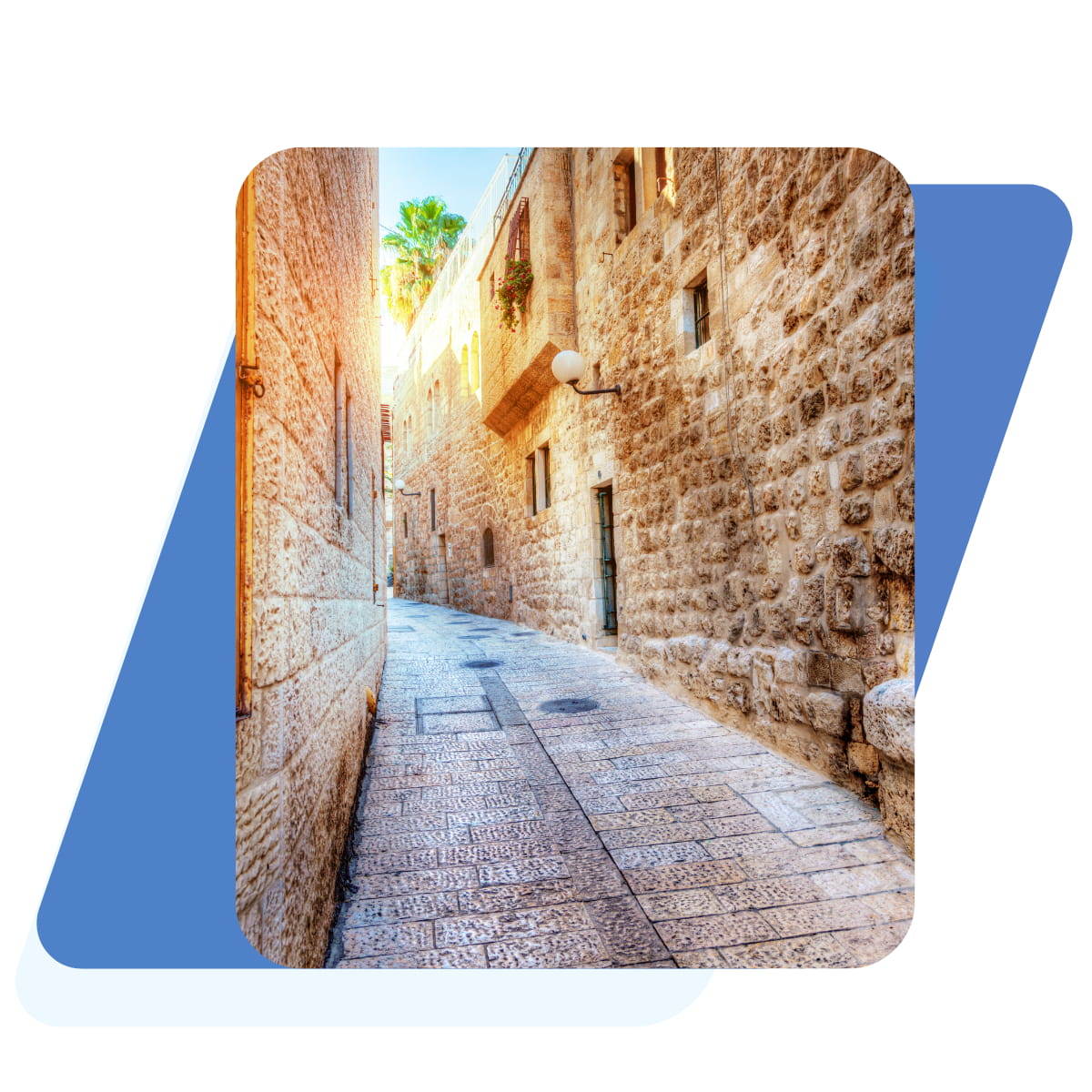
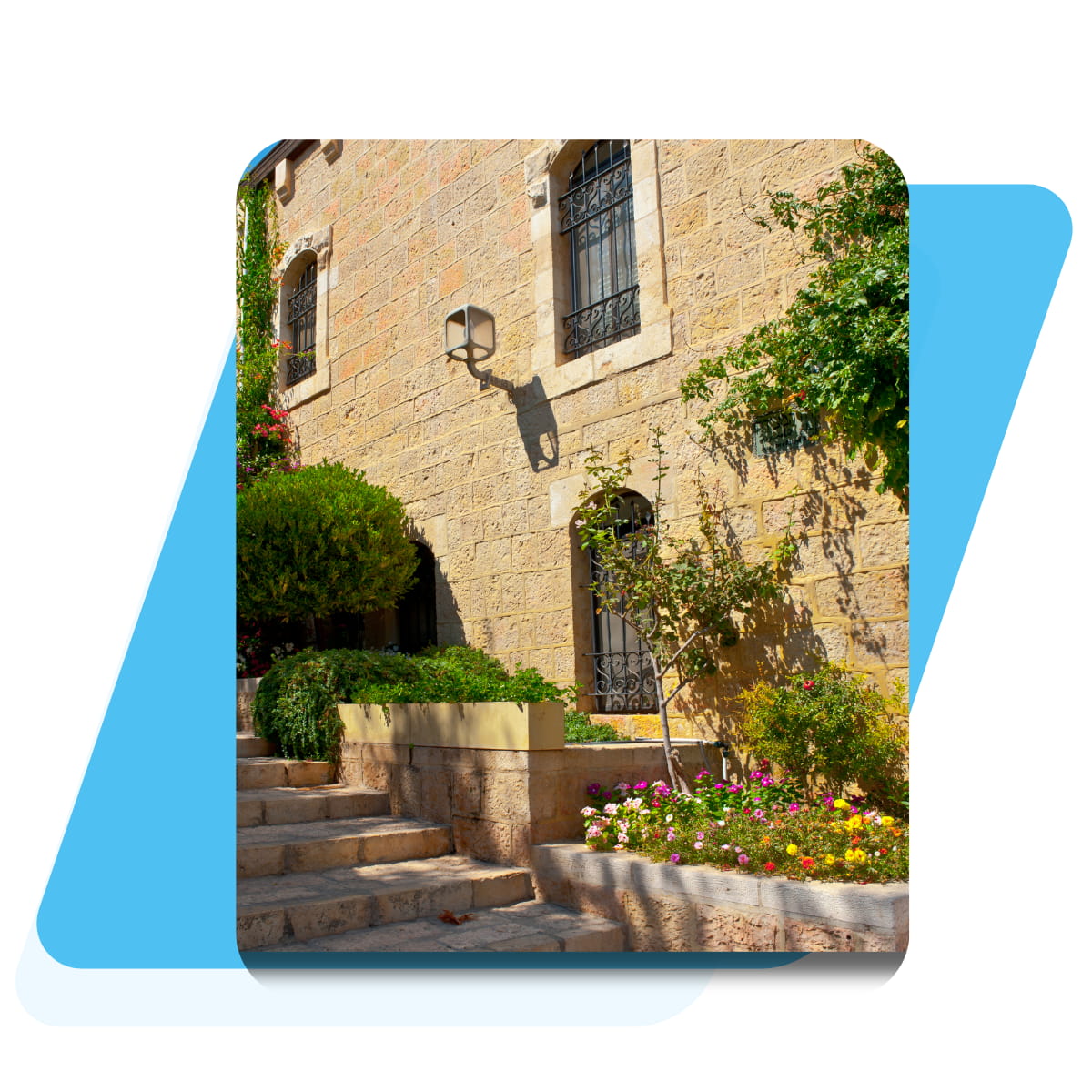
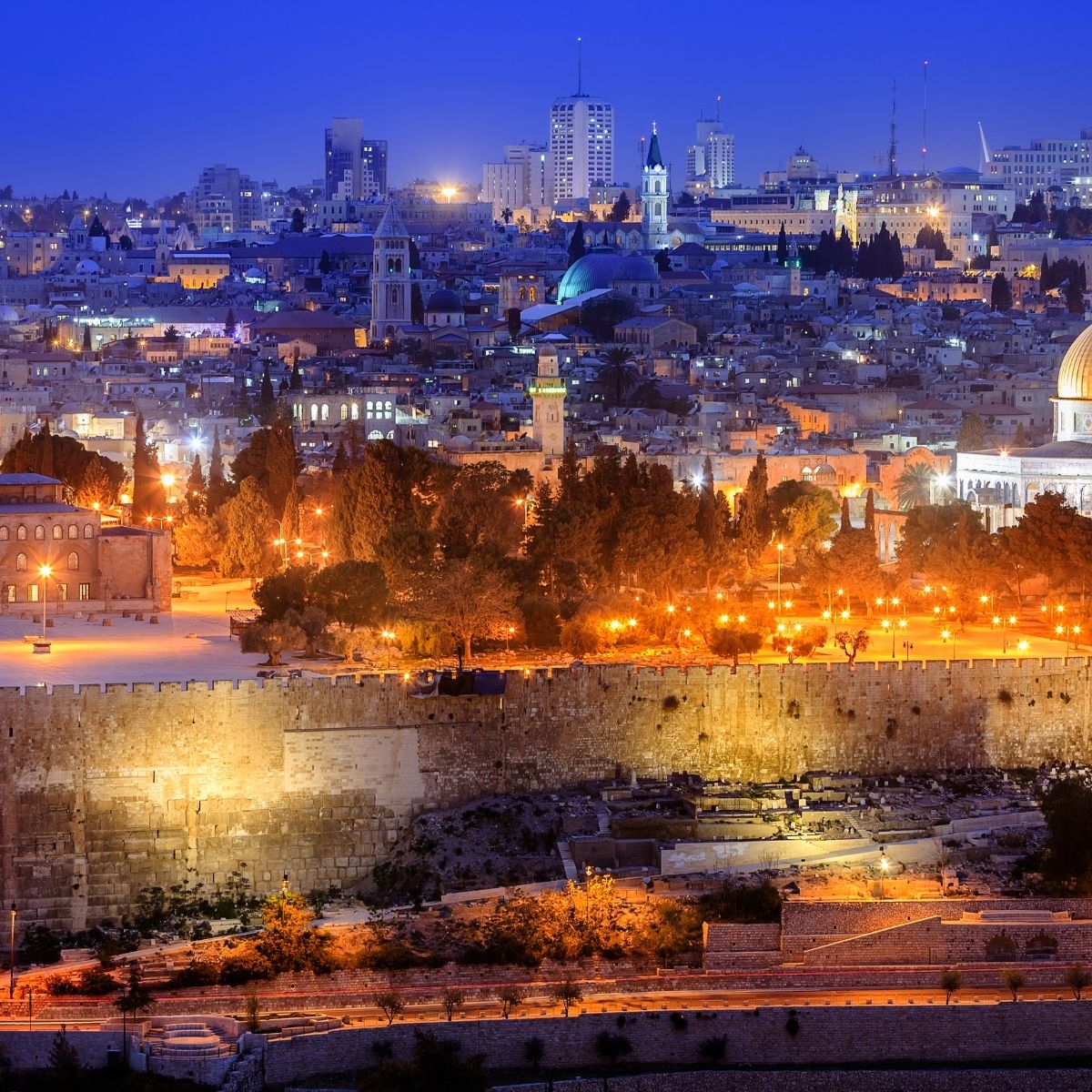
  • The Jerusalem Stone facade you see across the city isn't an aesthetic accident — a 1918 municipal ordinance, still in force today, requires all new buildings to be clad in local limestone, giving the city its distinctive golden glow at sunset.
Questions

Common questions about Jerusalem

It depends heavily on neighbourhood. A standard 4-room apartment in central Jerusalem (Rehavia, German Colony, Baka, Old Katamon) typically runs ₪3.8M–₪6.5M, while the same apartment in Pisgat Ze'ev or Har Homa is closer to ₪2.0M–₪2.9M. Boutique stone-clad properties in the most sought-after blocks regularly clear ₪7M+. These ranges are illustrative — we'll update them with verified market data.
Among the best in Israel. Neighbourhoods like Baka, the German Colony, Rehavia, Old Katamon and Nachlaot have decades-old Anglo communities, English-Hebrew schools (Pelech, Hartman, Frisch), Anglo-friendly shuls of every stream, and professional networks. Aliyah organisations and Nefesh B'Nefesh maintain a strong Jerusalem presence.
Israeli mortgage rules cap loan-to-value at 50% for non-resident buyers, so a down-payment plus closing costs typically runs 55–60% of the purchase price. On a ₪4M apartment that's roughly ₪2.2M–₪2.4M — usually transferred in two or three tranches via your lawyer's escrow.
About 32 minutes from Yitzhak Navon station (central Jerusalem) to Tel Aviv Savidor / HaShalom. Trains run roughly every 30 minutes during the day. The line opened in stages and has made Jerusalem genuinely commutable to Tel Aviv tech employers — though most buyers move for the city itself, not to commute out.

Ready to move money for Jerusalem?

Open an account in 10 minutes — minimum transfer $10,000. ISA-licensed since 2008.